
Back in 2024 the newly-appointed Labour government pledged to build 1.5million homes in England by 2029.
Since then, a raft of measures have been announced designed to speed up building and remove some of the blockages and delays in the planning sector.
The target remains a long, long way off and even recently-appointed Housing Secretary Angela Raynor has admitted it will be a stretch.
People are quick to blame building costs, supply chain issues and planning delays but the factor we discuss less is the crippling skills shortage in the construction industry. ONS figures show more than 35,000 construction vacancies and a workforce with an average age of 46.
Apprenticeship numbers aren’t coming close to replacing the number of people the industry will lose through retirement and the demand for housing just keeps on growing.
Earlier this month researchers at Land Value Calculator found that to reach the country’s ambitious housing targets would require 345,000 additional workers by July 2029 – or around 300 each day.
“To reach ambitious targets as a country we have to find new ways of doing things.”
This year my housebuilding company did something a little unexpected. We brought in a bricklaying robot to assist with one of our developments in County Durham – one of the first in the UK to do so.
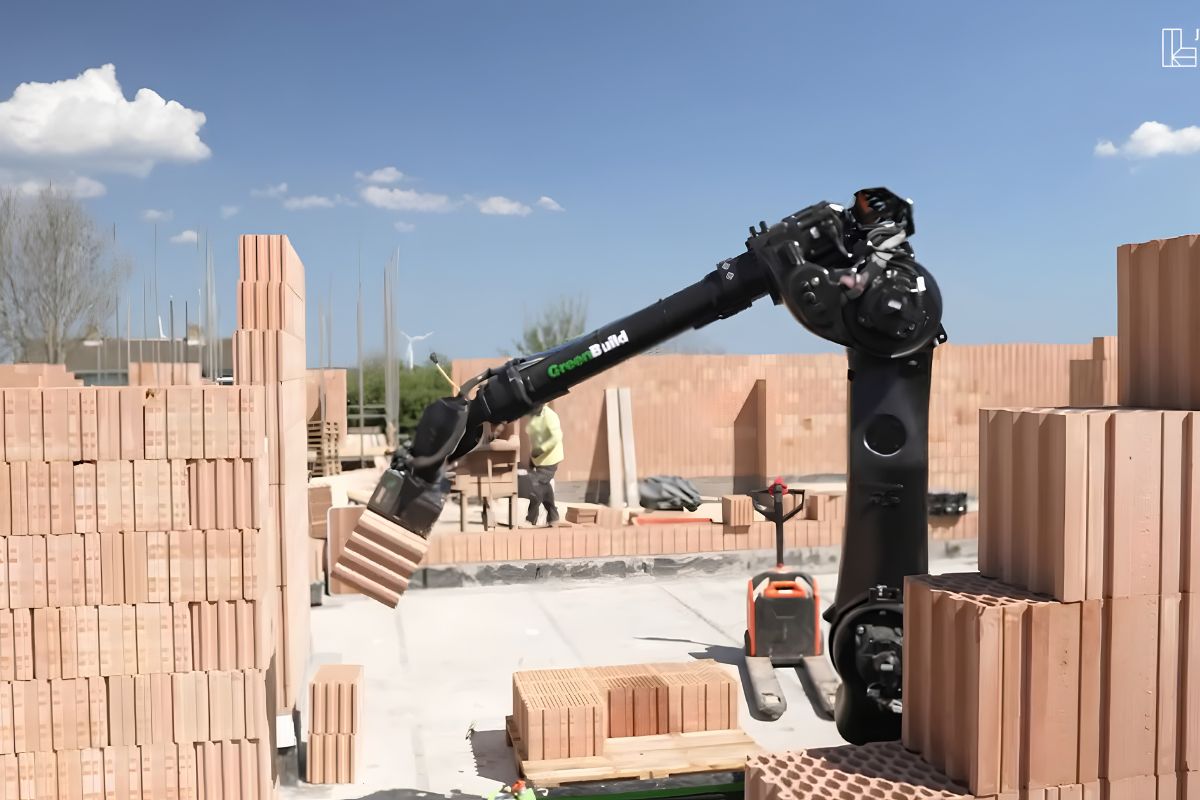
It wasn’t a fun gimmick or a new toy to play with – it was in response to the real problems our industry is facing.
Walter – or the wall-laying terra-based robot – worked in all weather conditions and was able to lay up to 200 square metres of masonry a day. It worked at heights of up to 3.5 metres and didn’t need any scaffolding.
The result was seven new homes built to an outstanding specification and a development delivered on time.
Walter didn’t replace any bricklayers for us on site. It worked alongside them to lay straight, repetitive courses. This allowed our tradespeople to deal with complex work that requires human judgement and skill. It literally took away some of the heavy lifting.
Automation and modern construction methods aren’t going to take away jobs in construction. Those slots are already being left unfilled. But they do give us a real opportunity to tackle some of the problems the industry is facing.
Construction methods have largely remained unchanged for decades. To reach ambitious building targets as a country we have to find new ways of doing things.
Walter gives us a realistic way of helping to close the gap between the demand for new homes and the speed in which they can be delivered.