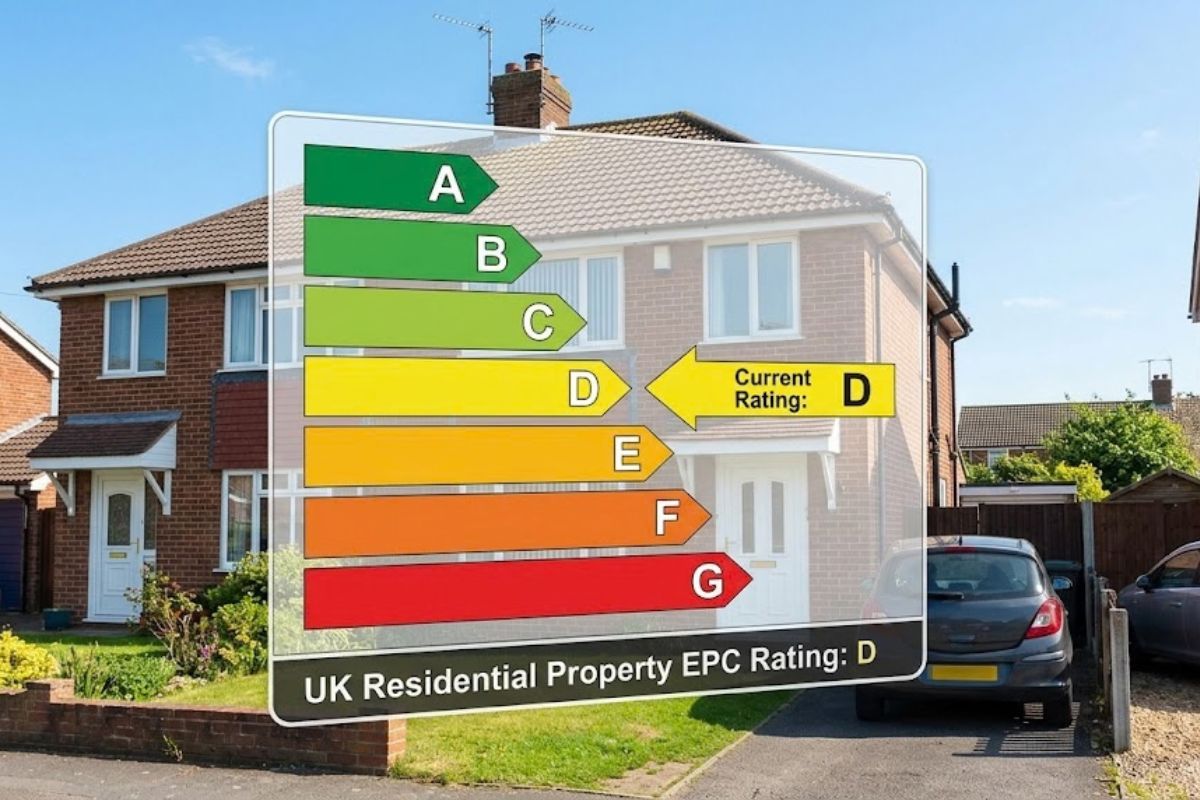
Growing demand for energy-efficiency improvements could create opportunities for refurbishment and other property-backed finance with more than a third of Britons saying they want to upgrade their homes but cannot afford the work.
Research from Together finds 34% want to make their homes more energy efficient but are prevented by the cost, while 50% identify cost as the biggest obstacle to improvements.
Almost two-thirds – 63% – say they would be more likely to improve their property’s energy efficiency if affordable finance was available.
The findings come as 57% say rising energy bills and the cost of living have made them more likely to consider energy-efficiency improvements.
GROWING DEMAND FOR UPGRADES
Search data analysed by Together also points to increasing interest in improvement work.
Google searches for smart heating controls increased by 250% over the past year, while searches for triple glazing rose 144% and heat pumps by 105%.
Searches for home battery storage increased 648%, while interest in solar panels was up 50%.
The figures suggest a potential funding requirement for homeowners and property investors looking to carry out improvement works but unable or unwilling to meet the entire upfront cost from cash reserves.
Depending on the borrower, property and scale of the project, this could include refurbishment finance alongside other forms of property-backed lending.
ENERGY EFFICIENCY INFLUENCES BUYERS
The research also suggests energy performance is becoming a greater consideration when buying property.
Some 45% identify low energy bills as one of the most important features when choosing their next home, behind only a garden or outdoor space at 48%.
Solar panels are considered the energy-efficiency improvement most likely to add value to a property by 41% of respondents, followed by triple glazing at 34% and loft insulation at 25%.
‘UPFRONT COST REMAINS A SIGNIFICANT HURDLE’

Ryan Etchells, chief commercial officer at Together, says: “Homeowners are increasingly viewing energy efficiency as an investment in their property, rather than simply a way to reduce household bills.
“It’s telling that solar panels are now seen as adding more value than any other upgrade. Buyers are placing greater importance on the long-term cost of running a home, and features that reduce energy bills are becoming increasingly attractive.
“While many homeowners want to make these improvements, the upfront cost remains a significant hurdle. Appropriate finance can help spread the investment and make it more accessible for households to invest in upgrades that not only reduce energy costs but also improve the long-term value of their property.”