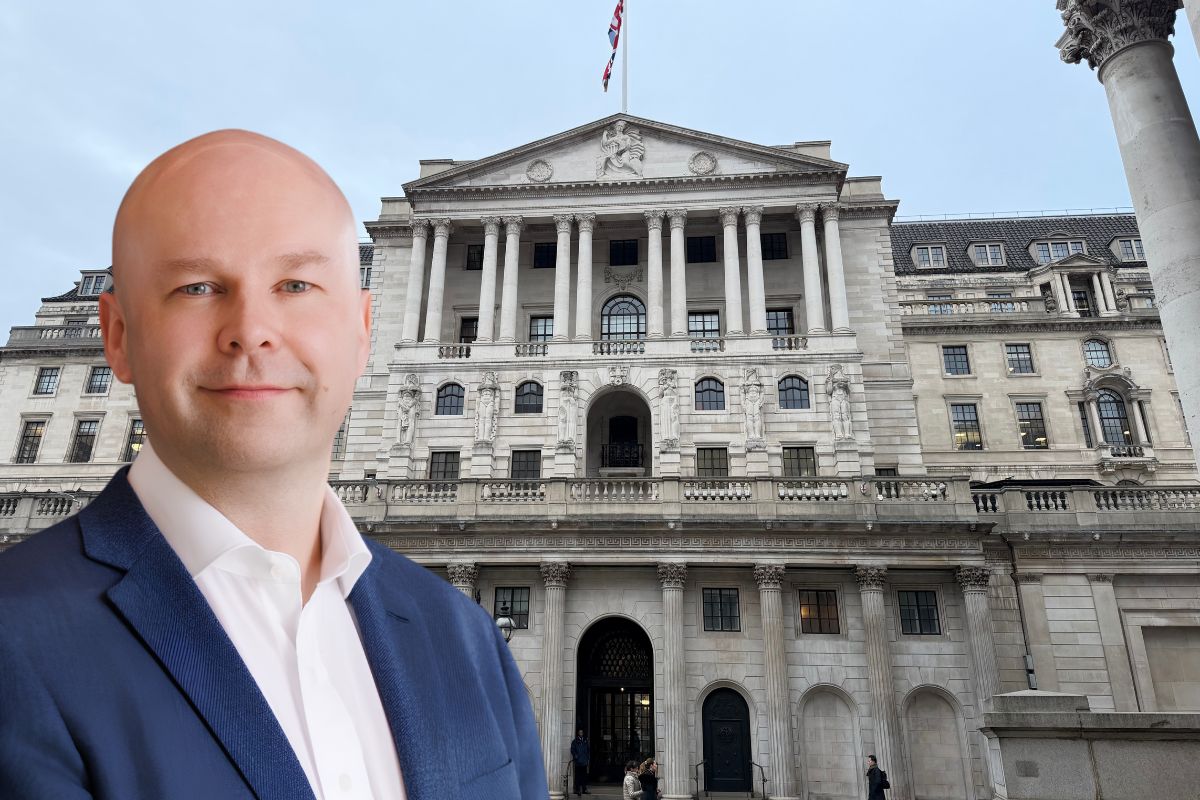
Medium-sized businesses risk becoming the overlooked casualties of renewed inflationary pressure as rising costs squeeze margins and delay investment, Shawbrook has warned.
The Consumer Prices Index rose by 3.1% in the 12 months to August, up from 2.9% in July, according to the Office for National Statistics.
CPIH, which includes owner occupiers’ housing costs, increased from 3.1% to 3.3%.
Transport costs, particularly motor fuels, made the largest upward contribution, while core CPI remained unchanged at 2.6%.
BUSINESS PRESSURE
The rise threatens to increase costs across areas including transport, materials and energy, creating additional pressure for property businesses, developers and SMEs already operating in a challenging environment.
Persistent inflation could also keep borrowing costs higher for longer and make it more difficult for firms to commit to investment or expansion.
Neil Rudge (main picture, inset), chief banking officer at Shawbrook, says: “When inflation ticks up, the conversation rightly turns to households. But there is another group that barely gets a mention.
“Medium-sized businesses are the shock absorbers of the UK economy, absorbing higher input costs while trying to limit the impact on their customers and employees. That often means tighter margins, delayed investment and harder choices.
“If inflationary pressure persists, it is this critical middle that will quietly carry much of the load. Their contribution, and the trade-offs they are making, deserve far more attention than they currently receive.”
FUNDING CHOICES
The inflation increase comes as businesses face the prospect of borrowing costs remaining elevated for longer than previously expected.
For property investors and developers, higher costs can affect project viability, refinancing decisions and the timing of planned acquisitions or development work.
It could also strengthen demand for flexible specialist finance where businesses need to manage short-term cash-flow pressures, complete transactions quickly or continue investing despite tighter conditions.