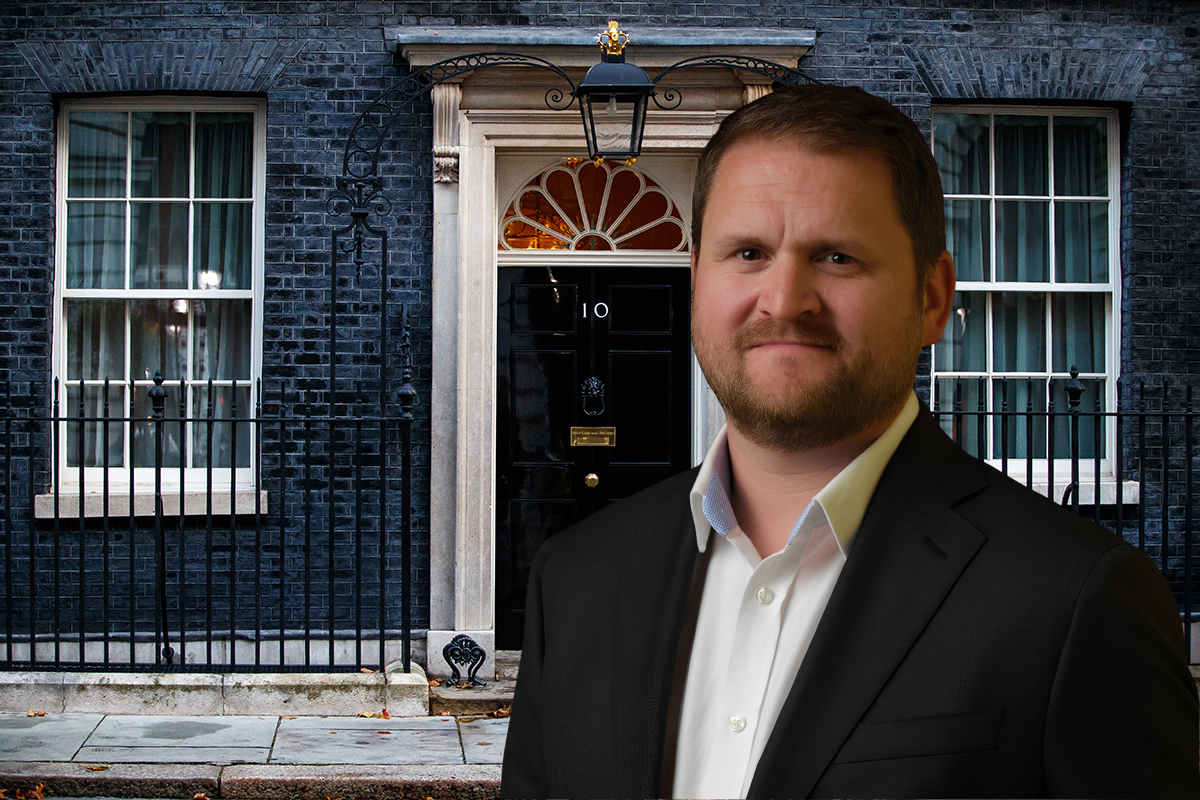
Andy Burnham faces many issues in his first 100 days as Prime Minister – one most pressing is reviving the UK property market in a credible way.
While there are signs of slow improvement, the market remains constrained by affordability pressures and broader economic uncertainty.
And, despite Burnham’s flagship council housebuilding plan getting the industry buzzing – our analysis warns there just isn’t enough public land to deliver a programme this size.
Here are a few other challenges Burnham needs to address in his first 100 days as Prime Minister.
Be smart about the brownfield regeneration problem
Building on vacant public land is a sensible idea, but it can only ever be part of the answer. We found publicly-owned brownfield land in England has capacity for just 187,000 to 207,000 homes – that is less than two-thirds of a 300,000 social and affordable home programme touted by Labour.
Making more public land available is an important part of boosting housing supply, but land alone doesn’t build homes. If the ambition is genuinely national, the plan has to look well beyond vacant public land, otherwise many of the families on today’s council house waiting lists will be left exactly where they are.
Developers need access to funding that can keep pace with the realities of a project, whether that’s navigating planning delays, drawing down finance in stages or moving quickly when a site becomes available.
Maintain efforts made for Private Rented Sector (PRS)
It’s of paramount importance that landlords are encouraged to keep invested in the PRS, to provide the homes needed for millions across the UK who can’t – or chose not to – buy.
While the Renter’s Reform Act is a welcome piece of legislation as it offers stronger protection for tenants, Burnham’s government needs to put an end to the almost constant barrage of tax and regulation increases we‘ve seen in recent years that make renting out property unviable for many.
Our landlord research has found that a significant majority are considering refinancing existing portfolios to fund future investment as confidence grows in a more “professionalised” sector, and this has to be encouraged by the new PM, alongside the major council house building scheme that has been mooted.
Commit to a realistic House building plan
Key to preserving our economic growth will be presenting a clear and tangible plan to help restore confidence among housebuilders and developers.
This should include some regional housing targets, a pipeline of public land, accelerated planning zones, a joined-up approach with industry bodies and achievable milestones for the first year or so. We need to see shovels in the ground, not endless speeches and red tape.
Instil mortgage lender confidence
The mortgage market needs to have trust in both Burnham and his Chancellor to deliver the changes needed. Constraints due to higher interest rates than the ultra-low-rate era and affordability tests continue to dampen activity.
More support for borrowers – whether first time buyers or home movers – during the ongoing household income pressure is also important. While we must avoid the disaster of a mini-budget repeat, working in lockstep with the mortgage industry and regulators will reduce uncertainty.
Stamp duty reform and downsizing
Burnham needs to ensure he looks at property taxation, including changes to stamp duty – which should happen given his previous support for reforming property taxes.
Reform that encourages downsizing could release larger family homes into the market, increasing transaction volumes and demand for mortgages, bridging finance and short-term property funding.
He has long advocated a land value tax to replace stamp duty and council tax. This would take years to implement to make sure its introduction is fair but would get the property market being held as it currently is by economically damaging stamp duty.