UK construction activity fell at its fastest pace in six years during May, with housebuilding once again emerging as the weakest part of the market as rising borrowing costs, inflation pressures and economic uncertainty weighed heavily on demand.
The latest S&P Global UK Construction PMI fell to 38.2 in May from 39.7 in April, marking the seventeenth consecutive month that activity has remained below the 50-point threshold that separates growth from contraction.
Excluding the disruption caused by the pandemic, the decline was the sharpest recorded since March 2009.
Residential construction was the worst-performing sector, with the housebuilding index falling to just 36.0. Survey respondents cited weaker buyer demand, affordability pressures and higher mortgage costs as key factors behind the downturn.
Commercial construction also weakened, with activity falling to 39.0 as businesses delayed investment decisions amid concerns over inflation and wider economic uncertainty.
CHALLENGING ENVIRONMENT
The figures highlight the increasingly challenging environment facing developers, despite continued lender appetite for viable schemes.
The survey also found that new business volumes fell at the fastest rate since the pandemic, while input cost inflation accelerated to its highest level since June 2022 due to rising energy prices, fuel costs and supply chain disruption.
While business confidence remains positive overall, optimism has weakened considerably, reflecting growing concerns that economic uncertainty, planning delays and rising costs will continue to suppress development activity through the remainder of 2026.
PLANNING OVERHAUL
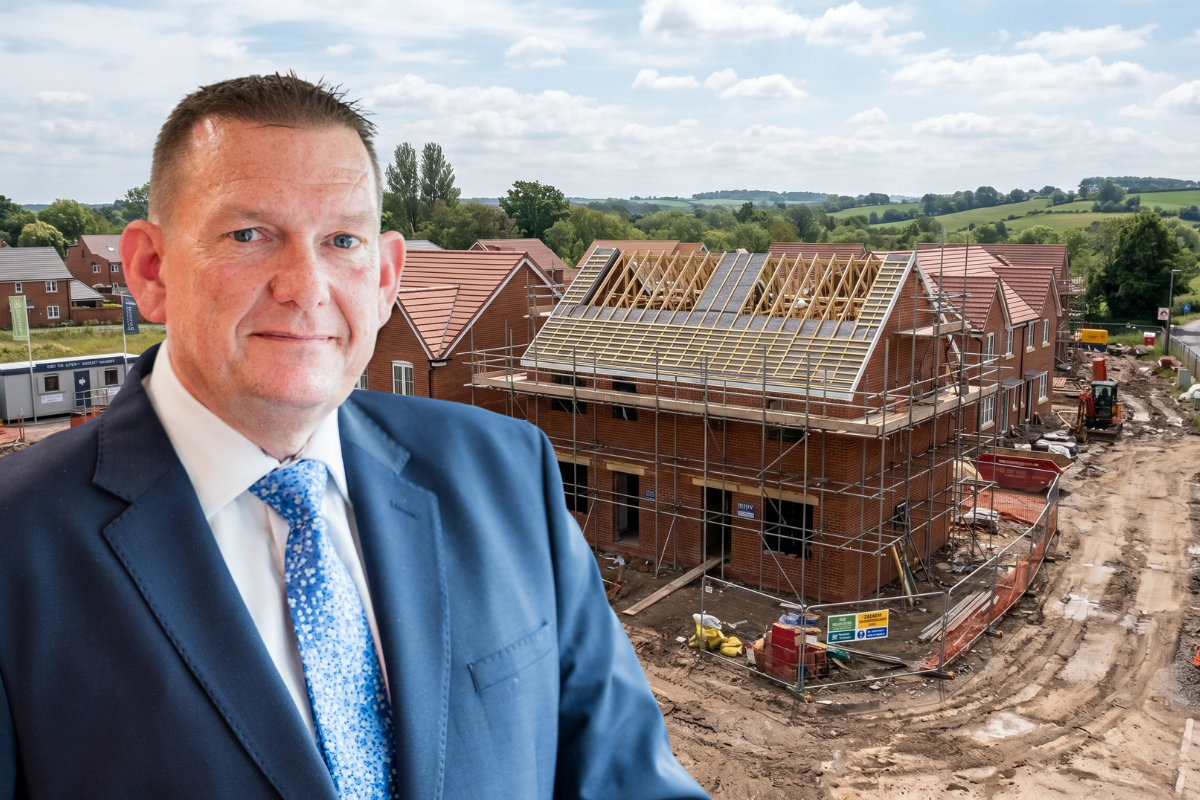
Richard Pike (main picture, inset), sales and marketing director at Phoebus Software, says: “Beyond the economic pressures, this is increasingly becoming a question of delivery. The Government’s housebuilding ambitions risk looking like another broken promise unless the structural barriers holding back development are tackled with urgency.
“Development funding is more available, lenders are active, and conditions are improving – yet projects are still not progressing at the scale needed.
“As the OECD highlighted in its latest UK economic outlook, an overhaul of the National Planning Policy Framework is essential. Without meaningful planning reform, any recovery seems a long way off.”
SIGNIFICANT BLOW

Kelly Boorman, national head of construction at RSM UK, adds: “Sentiment across the construction sector has taken a significant blow due to the ongoing impact of the Middle East conflict.
“Housing activity remains particularly low at 36.0, following some recovery from December 2025, as house prices fell in May and rising mortgage rates and cost-of-living concerns knock consumer confidence and enquiries, which had started to pick up at the beginning of the year.”

And Thomas Pugh, chief economist at RSM UK, warns: “The sector will be hit hard by rising costs, given its heavy usage of diesel and the energy intensive nature of much of its inputs,” he said.
“At the same time, the sharp upward repricing of market interest rates will drag on demand, hitting builders on both sides.
“Mortgage approvals have held up in the first two months of the Iran war, but house prices dipped in May, and we struggle to see how the housing market can sustain momentum, given the big jump in mortgage rates and impending stagnation in real household incomes.”