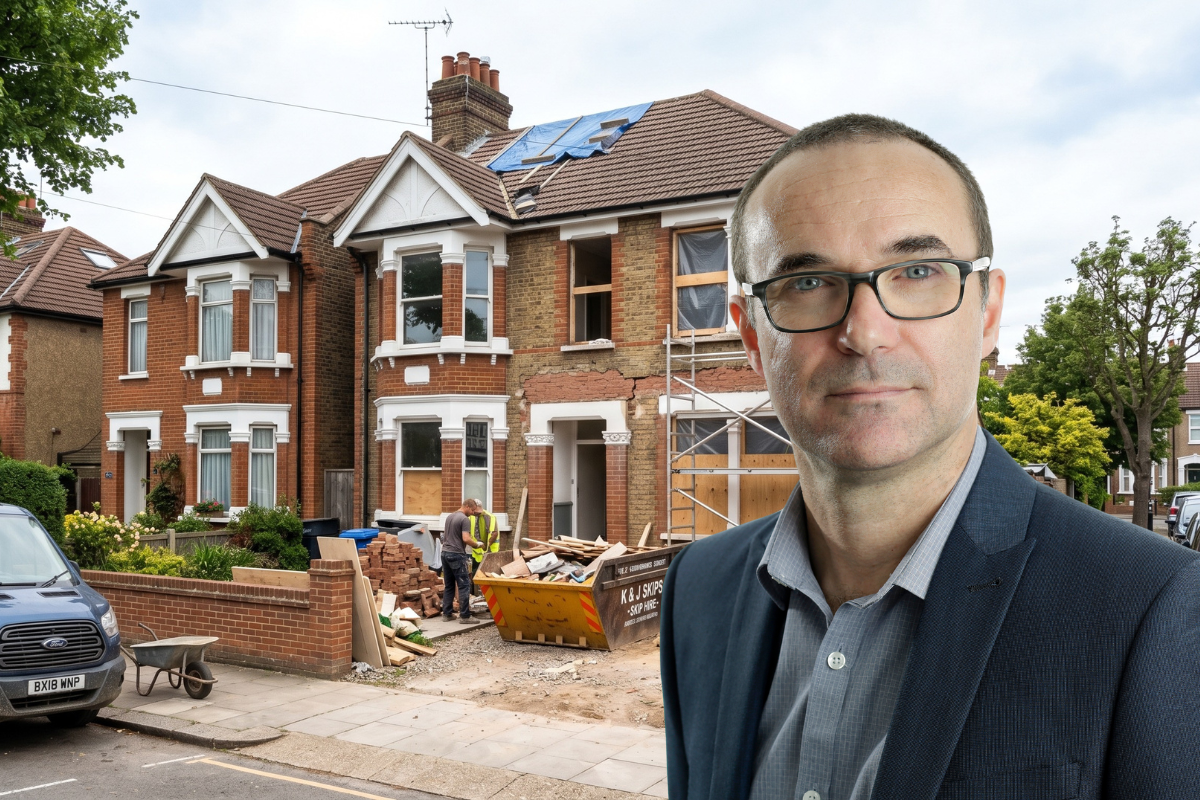
The cost of bringing the UK’s vacant housing stock back into use has climbed to £34bn and highlighting growing demand for specialist and bridging-style finance to unlock unmortgageable properties.
Research from BuildLoan shows the total cost of renovating long-term empty homes has risen 19% year-on-year, with around 361,000 properties now sitting vacant across the UK.
Average refurbishment costs are also climbing. BuildLoan estimates that renovating a typical uninhabitable property now costs around £70,000, rising to £95,000 for long-term vacant homes – up from £91,250 in 2025 and £87,500 the year before.
The rise reflects a combination of economic and structural pressures, including higher material costs, labour shortages and longer-term issues within the UK’s ageing housing stock. At the same time, the number of vacant properties has increased by roughly 15% in the past year alone.
FUNDING GAP
The figures point to a growing pipeline of refurbishment-led opportunities but also a widening funding gap.
Historically, properties deemed uninhabitable have fallen outside standard mortgage criteria, leaving bridging finance as the primary route to acquisition and refurbishment.
However, BuildLoan is positioning a new category of lending aimed at lighter renovation projects, designed to sit between traditional mortgages and short-term bridging.
The lender has launched a range of seven products targeting properties considered unmortgageable by most high street lenders, backed by funding from building societies including Chorley Building Society, Furness Building Society and Stafford for Intermediaries.
INCREASING DEMAND
The move reflects increasing demand from buyers – particularly younger households – looking to add value through refurbishment as affordability pressures limit access to turnkey homes.
Chris Martin (main picture, inset), head of product development and lender relationships at BuildLoan, says: “Our analysis suggests the number of long-term vacant properties in the UK has increased since 2025, having already risen steadily for a number of years.
“That represents a huge untapped resource for the housing sector – one that could potentially help solve the housing crisis. The problem has always been that there was never a mortgage designed for properties that would be regarded by most lenders are uninhabitable.”
HOUSING CRISIS
He adds: “To be classed as habitable, properties need to have a working kitchen, bathroom and running water, although valuers often deem a property uninhabitable or unsuitable for a mortgage for other reasons. Mortgage brokers are taught that if a house isn’t habitable, it isn’t mortgageable. That’s no longer true. We can fund these renovations.
“Given how little progress we have made on building new homes over the last 50 years, renovating vacant properties should be part of the equation as we look to tackle the housing crisis.”
Martin says the product could offer a private sector solution to housing supply constraints, as the UK continues to fall short of new build targets set by government.