UK small and medium-sized businesses are increasingly turning towards European markets after reporting significant financial losses linked to US trade tariffs, according to new research.
Research from Bibby Financial Services (BFS) found that UK SMEs have suffered average losses of £59,000 over the past 12 months as a result of US tariffs, prompting many firms to reassess their international trading relationships.
The lender’s latest Trading Places report found that 26% of SMEs are reducing the number of US customers they work with, while a further 17% said they are scaling back trade with the US because it no longer aligns with their business ethics and values.
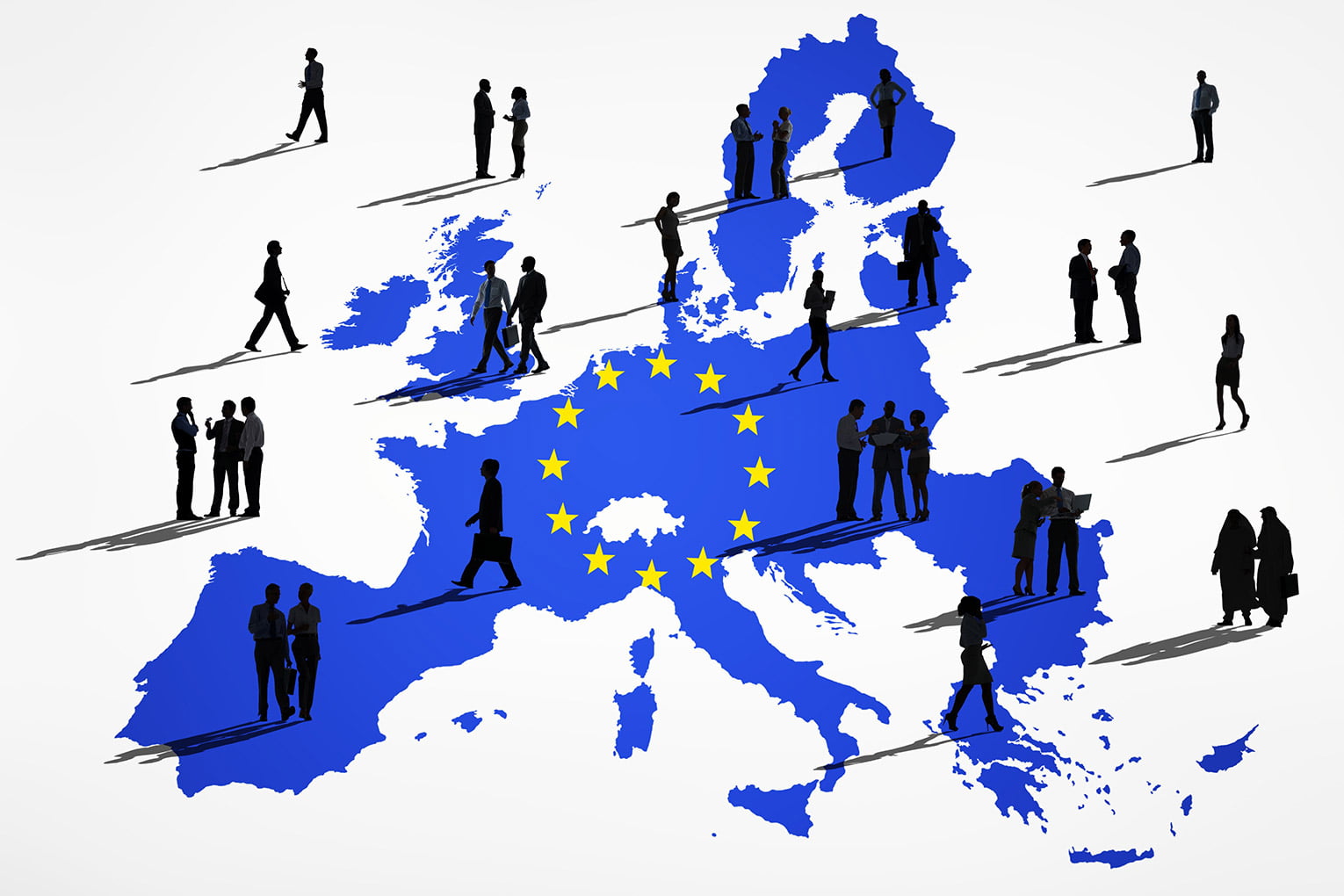
More than half (57%) of businesses surveyed said they are shifting their focus towards European and other non-US markets in response to rising costs and uncertainty.
Among UK exporters, France and Germany have overtaken the US as preferred trading partners. Some 36% identified France as a key market, while 35% highlighted Germany, compared with 29% citing the US.
For importers, Germany remained a leading market at 34%, while China increased its importance significantly, rising from 23% in 2025 to 34% in 2026.
The report suggests that businesses trading internationally are increasingly diversifying their markets to reduce exposure to geopolitical and economic uncertainty.
Derek Ryan, chief executive for North West Europe at Bibby Financial Services, says: “The unpredictability of US tariffs has caused huge issues for UK SMEs in the past year, rupturing business relationships and leading many to rethink their trading strategies.
“As a result, we are witnessing a practical pivot back toward Europe – a large and accessible market that offers more predictable trading conditions and less complexity for importers and exporters.”
BREXIT IMPACT REMAINS
The findings come 10 years after the EU Referendum and suggest many internationally trading SMEs continue to feel the effects of Brexit.
More than half (53%) of respondents said Brexit has reduced their competitiveness in global markets, while 57% said the cost of complying with post-Brexit trade rules has negatively affected profitability.
The research also indicates that attitudes towards EU membership have shifted over the past decade. While 51% of internationally trading businesses backed remain in the 2016 referendum, 62% said they would now vote to stay in the EU if the referendum were held again.
More than a third (37%) of SME owners and decision-makers said they would like the UK to rejoin the EU.
The report also found growing dissatisfaction with government support. Nearly two-thirds (65%) said the government is not doing enough to help SMEs navigate current trading conditions, while 68% called for clearer guidance on dealing with tariffs.
Ryan says: “A decade ago, SMEs in the UK looked to the US to fulfil the promise of more trade, better terms and a future outside the EU. Despite challenges associated with post-Brexit compliance, there’s clearly now an appetite for closer ties with Europe in the wake of US volatility.
“The Brexit cake can’t be unbaked and there appears to be little political appetite to do so.
“However, the government can still do more to support SME growth by reframing the UK’s relationship with the EU and seeking tangible measures to reduce trade friction. Fundamentally, this is about redressing the balance between political ideology and stimulating economic growth.”