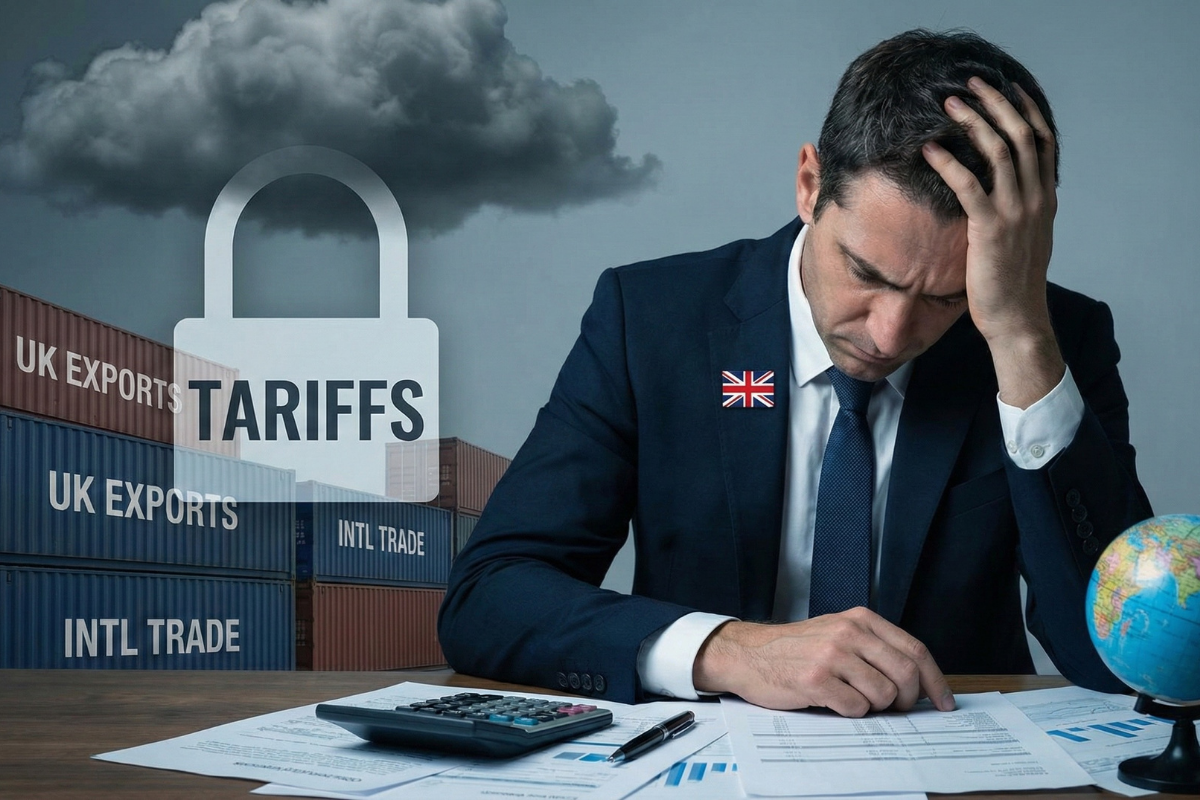
Plans by the US to impose further tariffs on imports from the EU and other trading partners are set to create near-term challenges for internationally active UK businesses with potential knock-on effects for lenders operating in the specialist and short-term finance market.
Tax partners at Spencer West LLP warn that the renewed use of tariffs as a strategic tool is already increasing uncertainty around supply chains, costs and workforce planning – factors that can quickly influence cashflow, credit risk and demand for short-term funding.

Matthew Fox, Tax partner at Spencer West LLP, says that the immediate impact is likely to be felt through higher operating costs and operational disruption, particularly for businesses with mobile workforces or cross-border production models.
BUSINESS PRESSURES
He adds: “From a global mobility perspective, increased tariffs place pressure on businesses raising costs, disrupting supply chains and affecting the movement of employees.
“Companies may respond by relocate production or reducing expenditure, leading to workforce adjustments and changes in work locations or duties.
“Where employee relocations occur in a higher-tariff environment, employers may face increased relocation costs including shipping personal belongings, travel expenses, and potentially higher living expenses in the destination country.”
SMOOTH CASHFLOW
For short-term lenders, this type of disruption can translate into increased demand for bridging finance, working capital facilities and asset-backed lending as businesses seek to smooth cashflow, fund relocations or reconfigure supply chains at pace.

Mark Tan, International Corporate Tax partner at Spencer West LLP, says that the current approach to tariffs marks a clear break from the more predictable trade environment businesses were historically able to plan around.
“The threatened tariffs illustrate how trade measures are increasingly being used as strategic instruments rather than predictable economic policy,” he says.
“They are announced, dialled up, or paused not because they improve economic outcomes but because they create leverage over where companies operate.”
TAX AND TRADE
He adds that even the threat of tariffs can expose weaknesses in how businesses understand their tax and trade positions.
“A business can be impeccably structured from a tax residence perspective yet still be exposed to tariffs because of where goods are manufactured or substantially transformed.”
According to Tan, this uncertainty makes preparation critical for UK firms with international exposure.
“Understanding where real trade exposure sits, separating tax risk from customs risk, and stress-testing operating structures against trade friction are no longer optional, but core elements of international structuring and decision-making.”