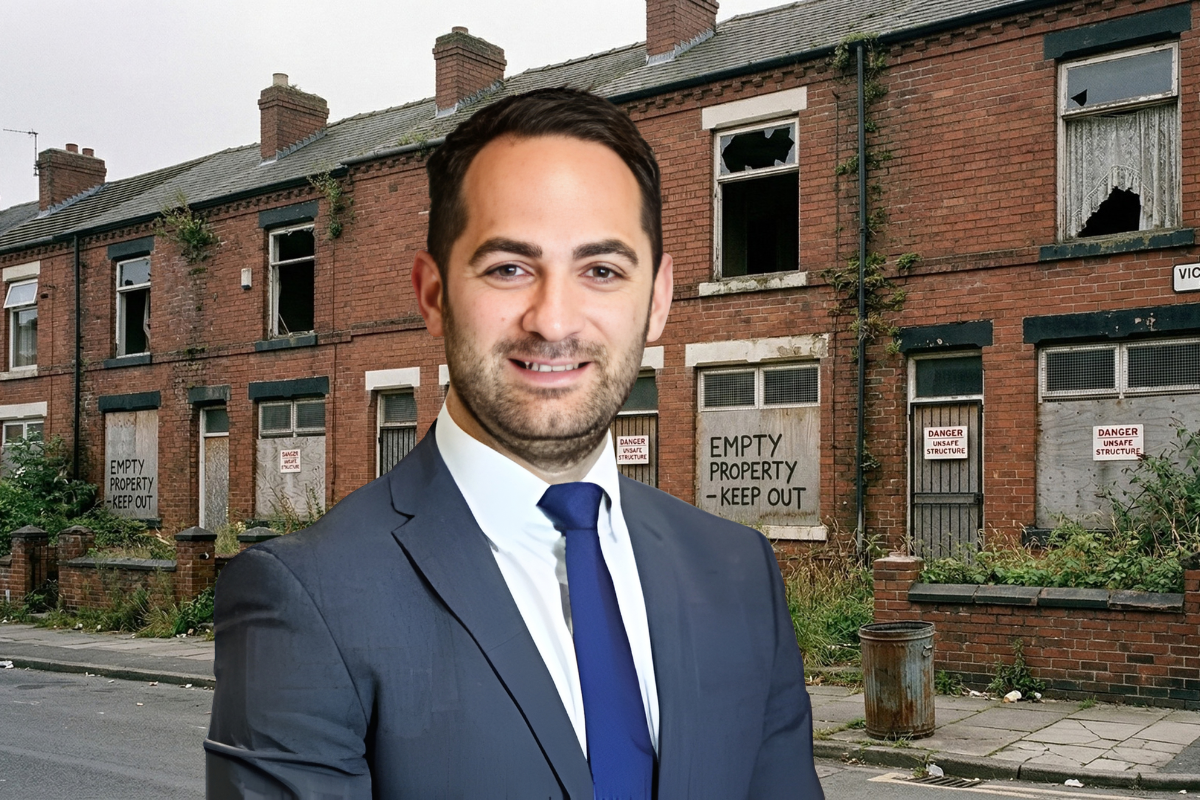
More than one million homes in England are currently sitting empty and representing a significant opportunity for investors and developers to bring neglected properties back into use through refurbishment.
The issue has been highlighted ahead of National Empty Homes Week, running from 9–15 March and organised by housing charity Action on Empty Homes, which aims to raise awareness of the scale of vacant housing across the country.
Current estimates suggest one in every 25 homes in England is empty, equating to over a million properties that could potentially be renovated and returned to the market.
Research commissioned by specialist lender Together also shows the issue is widely visible across the UK. More than half of Britons (52%) say they pass a deserted building every week, while 49% believe abandoned or derelict buildings in their area should be revived for housing, business or retail use.
RISING DEMAND
Demand for funding to refurbish such properties has been rising. Since 2022, Together says it has seen a 95% increase in the number of bridging loans it has funded, some of which have supported the renovation of empty, run-down or otherwise unmortgageable homes.
For property investors and developers, these types of properties can present opportunities to acquire assets that require improvement before they are suitable for conventional mortgage finance.
RIGHT KIND OF FINANCE
Elliot Vure (main picture, inset), sales director at Together, says: “While the nation often focuses on building new homes, a large and often overlooked percentage of homes in England are already empty.
“However, there is a shortfall in local authority power and resources for identifying the empty homes and taking action on empty home complaints within councils.
“There are also barriers for prospective buyers, investors and landlords to accessing the right kind of finance once these properties are on the market.”
GREATER FLEXIBILITY
And he adds: “Traditional mortgage products often aren’t suitable for empty or dilapidated homes, especially where a property is deemed uninhabitable. That’s where specialist lending can play a vital role.
“As an industry we should be encouraging and supporting borrowers who are willing to take on vacant or neglected homes.
“That could mean greater flexibility on property conditions at purchase or exploring partnerships with local authorities where empty homes are a particular issue.”